High Alpine Solitude: Dolomites Traverse
Dispatch by Field Correspondent • November 14, 2024 • 9 min read
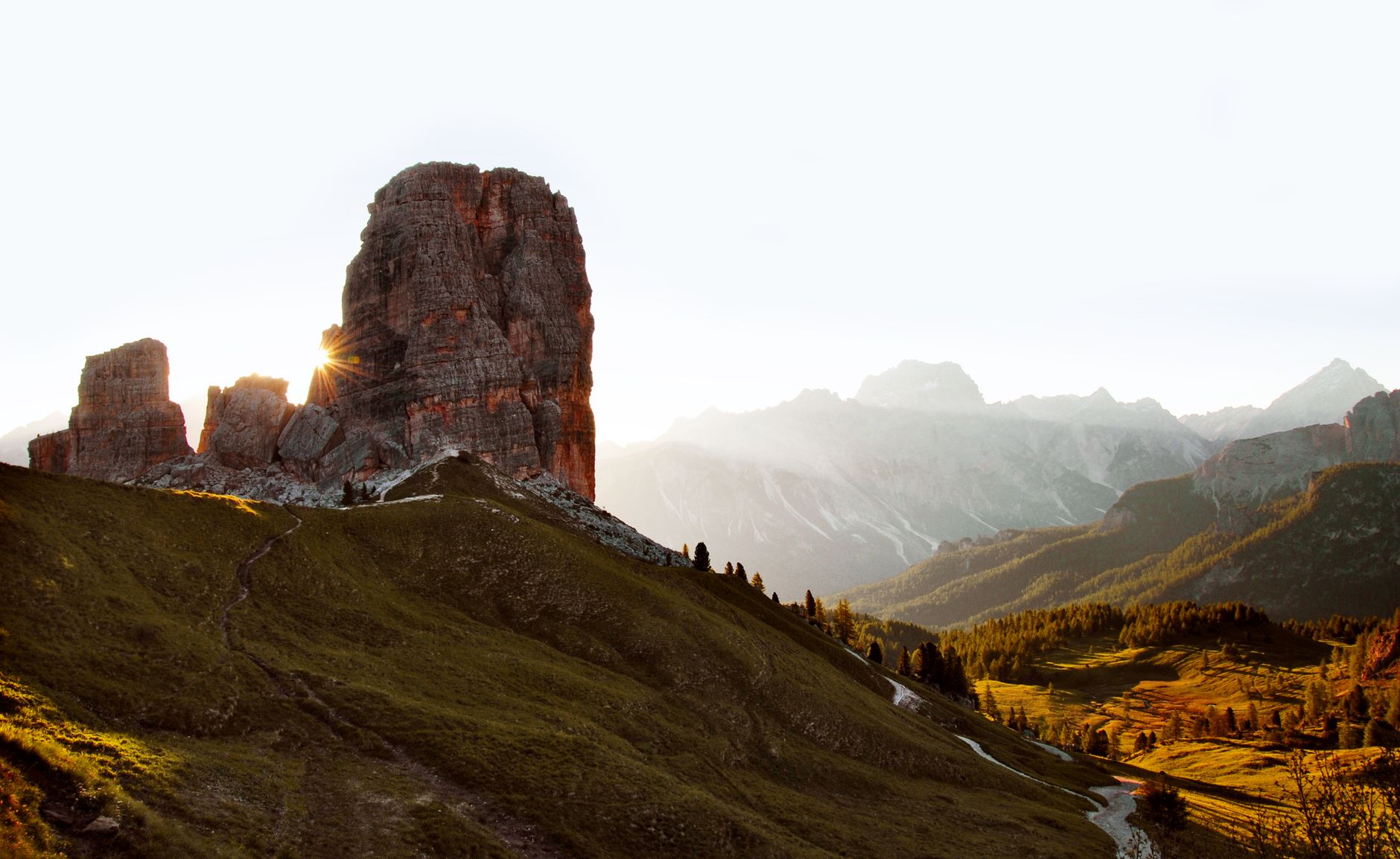
"At 2,400 meters above sea level, the air holds the sharpness of shattered ice, carrying the pine essence of ancient larch forests."
Beyond the Postcard Viewpoints
Most travelers experience the Italian Dolomites through windshield reflections along the Great Dolomite Road or amidst the midday tour groups clustered at Lago di Braies. To truly understand these fossilized coral reefs rising into the clouds, one must hike with dawn mist, moving from mountain refuge (*rifugio*) to mountain refuge across scree fields and high plateaus.
Our route traversed the Puez-Odle Nature Park, crossing limestone passes where edelweiss clings to cliff crevices and golden eagles ride the updrafts. Here, the geomorphological history is palpable: 250 million years ago, these colossal towers lay submerged beneath the ancient Tethys Ocean.
The Ladin Table and Communal Warmth
Nights in the higher rifugios offer a lesson in communal alpine hospitality. In Val Badia, the Ladin culture retains a distinct Romance language and culinary heritage separate from both Italy and Austria. Evening meals center around *tutres* (crisp rye pastries filled with sauerkraut and wild curd cheese) and steaming bowls of barley soup infused with smoked speck.
"The mountain strips away trivialities. By sunset, conversation dwindles to the honest crackle of the wood stove."
When the sun finally dips beneath the peaks, the rock undergoes *Enrosadira*—the famous alpenglow phenomenon where pale magnesium limestone ignites into shades of amber, copper, and deep magenta. It lasts merely twelve minutes before sinking into icy indigo.
Navigating with Reverence
Sustainable mountaineering demands minimal footprints. Packing out waste, remaining on marked limestone tracks to prevent scree erosion, and honoring water scarcity in high karst basins are imperative disciplines for anyone venturing into this UNESCO realm.