Terroir and Salt: Coastal Portugal
Dispatch by Gastronomic Desk • December 02, 2024 • 7 min read
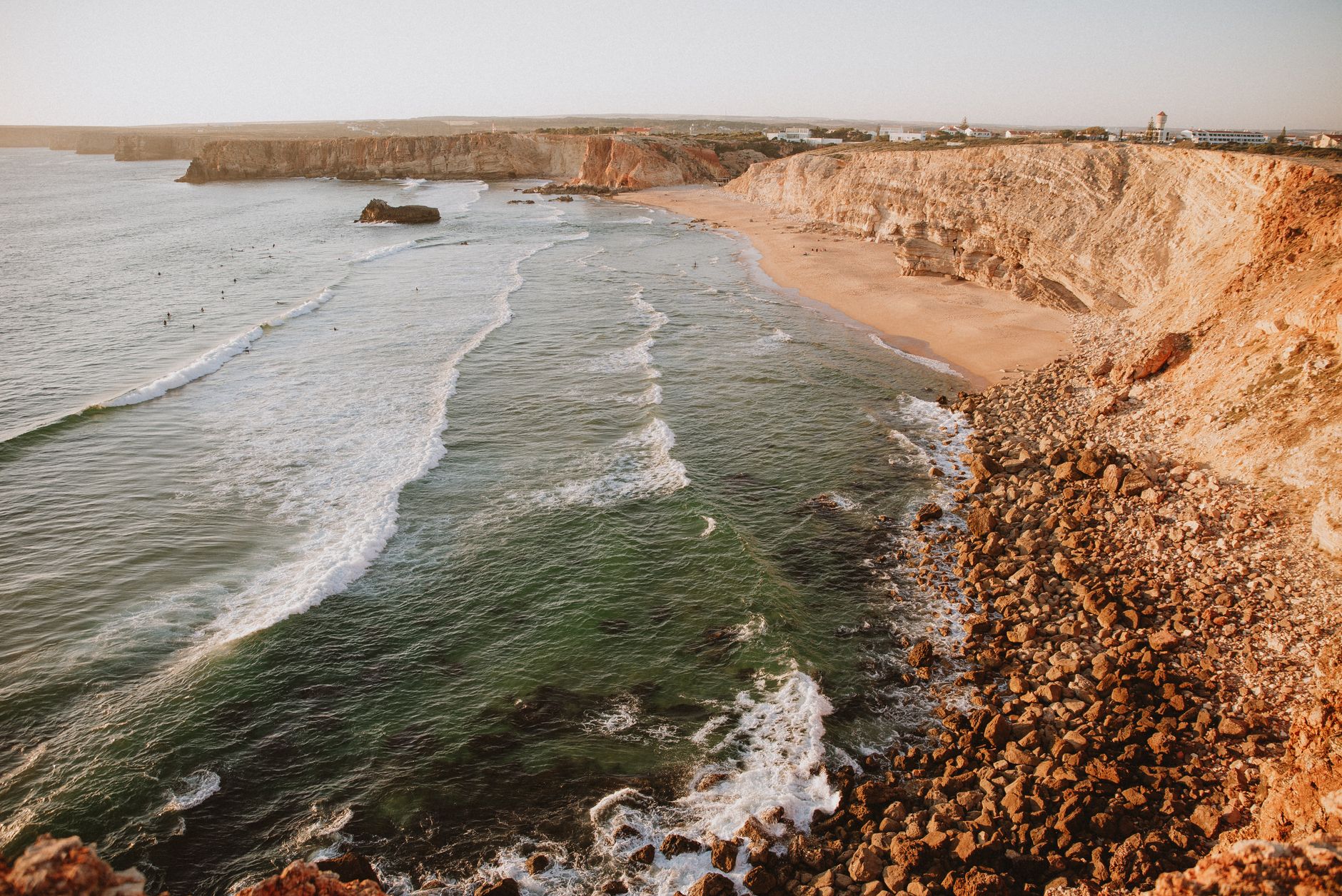
"The Atlantic does not merely frame Portugal's western rim; it seasons its soil, sculpts its winds, and dictates its appetites."
Vines Buried in Oceanic Sand
In Colares, perched precariously between the Sintra mountains and crashing ocean surf, lies one of the most improbable viticultural landscapes on Earth. When phylloxera devastated Europe's vineyards in the late 19th century, the microscopic louse choked on the deep ocean sands of Colares. As a consequence, this region retains some of the only ungrafted, pre-phylloxera European vines in existence.
Vintners here dig trenches several meters deep through sea sand until their fingertips reach rich clay beds below. The vines crawl horizontally across the dunes, protected from relentless salty gales by hand-woven dried rush fences. The resulting Ramisco red wines are taut, astringent in youth, and loaded with iodine, salt air, and sour plum notes.
The Geometry of Artisanal Salt
Further south along the Sado estuary and the Ria Formosa, evaporation pans known as *salinas* have harvested *flor de sal* since Phoenician merchants established trading hubs. Salt masters skim the fragile, snowflake-like mineral crystals that form on the surface on hot, windless afternoons.
"This is not industrial seasoning; it is the dehydrated essence of the Atlantic shelf, laden with magnesium and potassium."
Pairing this sea salt with freshly grilled sardines, drizzled with peppery olive oil from Alentejo, demonstrates that the highest peaks of gastronomic wonder lie in minimal intervention rather than modern culinary ostentation.