The Silence of Kyoto's Hidden Machiyas
Dispatch by Editorial Board • October 24, 2024 • 8 min read
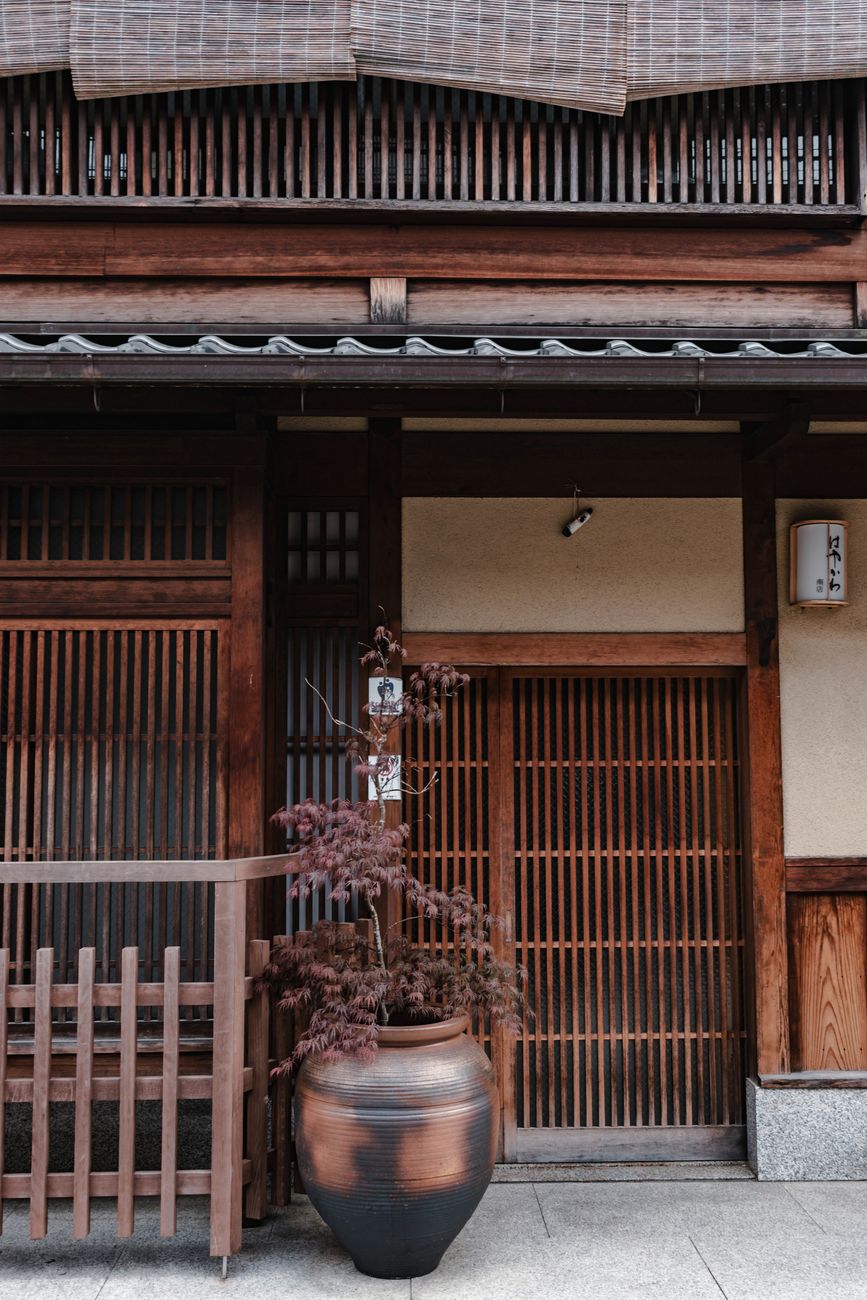
"To cross the threshold of a traditional Kyoto machiya is to surrender oneself to the choreography of shadow and scent."
The Architectural Anatomy of Refuge
In the quiet district of Nishijin, where weavers still operate loom pedals with rhythmic determination, narrow streets are lined with unpainted cedar facades. These structures, known as *machiya*, were the residential and merchant quarters of Edo-period Japan. Built without steel nails, relying entirely on complex mortise and tenon carpentry, they flex in accordance with seismic tremors and seasonal weather changes.
What strikes the Western traveler most profoundly is the *tsuboniwa*—a minute interior courtyard garden often measuring no more than four square meters. Sunk into the center of the deep architectural layout, the garden captures rain, fosters moist moss beds, and pulls ambient daylight straight into tatami-matted chambers.
Living with Changing Light
In his seminal work *In Praise of Shadows*, Jun'ichirō Tanizaki lamented the advent of electric luminescence that dispelled the mysterious depth of Japanese lacquerware. In an authentic machiya, morning is not an explosion of sunlight, but a gradual amber transition. As dawn strikes the sliding washi paper screens (*shoji*), rooms glow with diffused amber calmness.
"The house does not fight the external climate; it breathes it, moderates it, and converts it into contemplative fuel."
Our editorial team spent seven days immersed in a restored residence off Horikawa-dori. Days began with the boiling of spring water on an iron kettle and ended with the fragrant steam of cypress wood tubs (*hinoki ofuro*). The constant presence of polished timber, natural earth plaster, and the rustle of bamboo foliage serves as an organic remedy to hyper-connected modern anxiety.
Preservation in a Modern World
Thousands of machiyas are demolished annually across Japan due to stringent inheritance taxes and maintenance costs. Yet, an impassioned circle of local architects and cultural conservators is restoring these structures into understated, private sanctuaries. Choosing to reside in a heritage machiya rather than a sterile glass tower directly sponsors this architectural resilience.